by

Creating Semiconductors: From Wafer to Personal Computer

creating semiconductors

Have you ever wondered how a smartphone or laptop is powered by something as seemingly unremarkable as a thin, shiny disc of silicon? The transformation from raw material to a component of modern technology is a process driven by advanced manufacturing. It involves microscopic precision and global collaboration.

Let’s explore the step-by-step process of how silicon wafers become the semiconductor chips that power modern technology—from raw materials to integrated products.

The Foundation: Silicon Wafers

Everything begins with silicon wafers. These are the raw material used for making semiconductor chips. These wafers are produced from monocrystalline silicon. It’s typically manufactured using the Czochralski (CZ) method. This method involves pulling a seed crystal from molten silicon to form a large, pure crystal called an ingot. The ingot is then sliced into thin wafers.

Major producers of silicon wafers include companies like Shin-Etsu Chemical and SUMCO Corporation, both of which are global leaders in this highly specialized domain.

Preproduction: Creating Semiconductor Chips

Once the silicon wafers are ready, the preproduction phase begins. This is where semiconductor chips are formed on the wafer’s surface. This process involves photolithography, etching, doping, and layering of various materials to create integrated circuits (ICs) and logic systems.

Industry giants like Intel, Samsung, and TSMC (Taiwan Semiconductor Manufacturing Company) lead the way in this ultra-precise manufacturing process. They fabricate the microscopic transistors and wiring that power our devices.

Postproduction: Cutting and Packaging the Chips

After the wafer has been processed with countless microscopic circuits, the postproduction stage begins. This involves cutting the wafer into individual chips (also known as “dies”) and packaging them in protective enclosures. Packaging varies depending on the chip’s intended use, from mobile devices to servers.

Companies such as ASE Group and Amkor Technology specialize in advanced semiconductor packaging, ensuring chips are protected and ready to be integrated into electronic systems.

Building Blocks: ICs, LSIs, and Circuit Boards

Once packaged, the chips are referred to as ICs (Integrated Circuits) or LSIs (Large-Scale Integration) devices. These are then placed onto printed circuit boards (PCBs), forming the central nervous system of virtually all electronic devices.

The Final Integration: From Chips to Products

Once wafer chips have been printed onto the silicon wafer, the final step in the process is to send the wafer to an Outsourced Semiconductor Assembly and Test (OSAT) facility where it is tested and packaged. Though the circuitry is in place, the chips are not usable until this step is completed.

Finally, these circuit boards are embedded into consumer and industrial products. They range from laptops and smartphones to automobiles, medical devices, and AI systems. This marks the completion of the journey from silicon wafer to fully functioning electronics.

Why It Matters

This global process demonstrates the complexity and innovation behind the electronics we often take for granted. It also underscores the importance of the semiconductor supply chain and the strategic role companies across the world play in shaping our digital future.

Want to learn more about how MWI supports the semiconductor supply chain?

EXPLORE SOLUTIONS—CONTACT US TODAY
by

Top Ariana Cool-Line Accessories: Must-Have Add-Ons for Your Setup

Ariana Cool-Line-System blog image

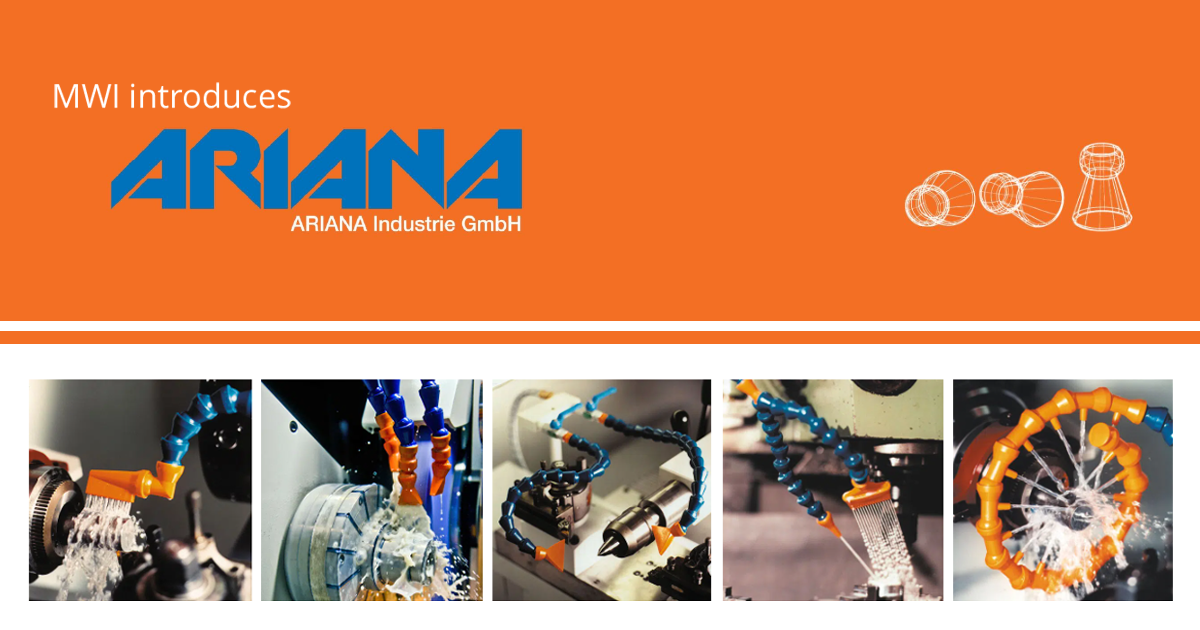
When it comes to precision machining, even the smallest details matter. Proper flushing and lubrication aren’t just important—they’re essential to ensuring productivity, part quality, and machine longevity. That’s where Ariana’s Cool-Line System makes its mark as the industry’s most adaptable and robust solution for coolant management.

Ariana is a market leader in cooling lubricant hose systems, and for good reason. The Cool-Line System is made from high-quality Hostaform® resin, giving it a level of resistance and durability that surpasses many comparable systems on the market. The system is modular, with snap-fit components that are easy to assemble and adjust—even in tight spaces. Thanks to its tighter snap-in connections, the Cool-Line System withstands higher pressure and offers superior directional stability of the coolant jet.

Core System Components – A Size for Every Job

From fine-tuned micro-cooling to large-scale fluid applications, ARIANA’s Cool-Line hoses come in 1/4″, 3/8″, 1/2″, and 3/4″ sizes. Each line includes a full range of connectors, nozzles (round, angle, and flare), Y-fittings, valves, and adapters—making them suitable for nearly every machine tool configuration. Acid-resistant variants are also available for harsh chemical environments.

Complete System Sets and Custom Options

For quick setup or replacement, ARIANA offers pre-assembled hose kits that include nozzles, connectors, and base components like magnetic clamps or mono block distribution devices. These sets are ideal for CNC machining centers, milling machines, and grinding tools where precision fluid direction is critical.

DOWNLOAD CATALOG

Why Choose Ariana Cool-Line System?

Here’s what makes the ARIANA Cool-Line System a top-tier choice for modern machining environments:

  • Unmatched Compatibility: The only product on the market that connects to 80% of conventional systems—without requiring adapters.
  • Most Complete System Available: A full range of hoses, fittings, nozzles, valves, and accessories to meet any application need.
  • Superior Material Durability: Made from high-grade Hostaform® resin for maximum chemical resistance and long service life.
  • Pressure-Resilient Design: Close-fitting snap-in modules allow for higher pressure loads and stable fluid direction.
  • German Engineering Excellence: Certified to DIN EN ISO 9001:2000 standards, ensuring consistent quality and reliability.
  • Application-Driven Development: Created with input from technicians and engineers for practical, real-world performance.
  • Fast, Reliable Delivery: In-stock inventory and flexible manufacturing ensure short lead times.
  • Built for Harsh Environments: Acid-resistant options available for demanding industrial conditions.

Final Thoughts

Whether you’re operating a small job shop or managing high-volume CNC production, ARIANA’s Cool-Line System is designed to make your operation smoother, safer, and more efficient. It’s more than a hose—it’s a system built around the needs of today’s machine shop. Contact MWI today for pricing!

by

Your Go-To Guide for MWI’s High-Quality Resin Products

When it comes to machining and industrial applications, choosing the right resin and accessories can make all the difference. Whether you’re looking for high-performance virgin resins, cost-effective regenerated options, or reliable fittings and accessories, MWI has you covered. In this blog post, we’ll walk you through our top resin products and essential components to help you find the best solution for your needs.

Fittings and Adapters

No system is complete without the right fittings and adapters. MWI offers a range of components to ensure secure and efficient connections, including:

  • 3/4” Hose Shank x FCL Camlock Coupler (075C-M)
  • 3/4” Male Adapter Female Thread (075A-M)
  • Various hose barbs, camlock couplers, and threaded adapters designed for a wide range of industrial applications.

These fittings enhance efficiency and ensure secure, leak-proof connections for your systems.

Accessories

MWI’s product line extends beyond resins and fittings to include essential accessories like:

  • O-rings & Gaskets: Ensuring tight seals and preventing leaks.
  • Hose Clamps: Providing extra security for hoses and connections.
  • Conductivity Light Kits: Enhancing monitoring and safety in your applications.
  • Screen Trap: This safety screen connects between the hoses from your resin tank to the machine and prevents any loose resin beads from entering your tank.

These small but critical components help maintain efficiency and extend the life of your systems.

Virgin Resins

MWI offers two high-quality virgin resins designed for superior durability and performance:

  • Gold-Gold 50-50 Virgin Resin (6973746): A premium-grade resin designed for applications requiring high strength and longevity.
  • Black-Gold 50-50 Virgin Resin (6973746BK): A variation of the Gold-Gold resin, incorporating black coloration for specific industrial uses.

These resins provide purity, ensuring reliability in applications where quality cannot be compromised.

Regenerated Resins

For those looking to balance performance with sustainability, MWI’s Regenerated Machine Grade Resin (BULKREG) offers a cost-effective and environmentally friendly alternative. This option provides solid performance while reducing material waste, making it an excellent choice for businesses prioritizing sustainability.

Why Choose MWI Resin Products?

MWI is committed to delivering top-quality materials that meet industry demands. With a focus on durability, performance, and customer satisfaction, MWI’s resin products and accessories provide reliable solutions for a variety of machining and industrial applications.

Explore the Full Product Catalog

Ready to find the right resin and components for your needs? Explore MWI’s full product catalog for detailed specifications and ordering information.

VIEW CATALOG
by

A Comprehensive Guide to EDM Filters: Enhancing Efficiency and Performance

EDM FIlters

Electrical Discharge Machining (EDM) is a vital manufacturing process used in industries such as aerospace, automotive, and medical device production. The efficiency and precision of EDM operations depend not only on the controlled electrical discharges, but also on maintaining a clean and stable machining environment. Filtration plays an important role in this process by removing contaminants from the dielectric fluid, ensuring consistent performance, longer electrode life, and improved surface finish. Without proper filtration, particle buildup can reduce machining accuracy, increase wear on components, and compromise overall efficiency.

In this guide, we will dive into the role of filters in EDM machines, explore the types of filters available, and offer insights into how to maintain and troubleshoot these systems for maximum efficiency.

Understanding EDM Filtration

  • The Role of Filters in Maintaining Dielectric Fluid Purity
    The dielectric fluid in EDM machines is crucial for both the cooling of the electrode and workpiece and for providing insulation during the discharge process. Over time, this fluid becomes contaminated with impurities. The significant role of filters in removing these contaminants to ensure that the dielectric fluid maintains its optimal properties, improving the overall machining process. Proper filtration ensures consistent performance, reduces the risk of arcing, and minimizes wear on components like the electrode and the workpiece. It also helps to reduce energy consumption by maintaining a steady discharge rate.
  • Types of Contaminants in Dielectric Fluids
    Contaminants in dielectric fluids can range from small metal particles, carbon deposits, to oil residue. These contaminants can adversely affect the EDM process, resulting in pitting, DC Arcing, reduced electrode life, and an increased need for maintenance.
  • Impact of Poor Filtration on Machining Performance
    Inadequate filtration can have a domino effect, leading to machine downtime, costly repairs, and inconsistent machining results. Insufficient filtration can result in reduced spark efficiency, and the breakdown of the dielectric fluid itself, making regular maintenance essential to avoid performance degradation.

Types of EDM Filters

EDM filters come in various types, each suited for different applications and specific operational needs. Below are some of the common types:

1. Cartridge Filters
Cartridge filters are among the most common types used in EDM systems. They feature a wide range of filtration media, including paper, synthetic fabrics, and specialized materials. These filters can handle large volumes of fluid and remove both fine and coarse particles. Companies like Dynamic Filtration use high-quality media and corrosion-resistant materials in their cartridge filters, ensuring long-lasting performance even in harsh environments.

2. Bag Filters
Bag filters are a more economical option compared to cartridge filters. While they may not provide the same level of filtration as cartridge filters, they still perform effectively in removing larger particles.

3. Paper Filters
Paper filters are another widely used option in EDM applications. Paper filters can capture fine particles, providing a cost-effective solution without compromising performance. Paper filters are especially effective in systems with low to medium contamination levels.

4. Magnetic Filters
Magnetic filters are designed to capture ferrous particles from the dielectric fluid. Their ability to remove metal contaminants is valuable in industries dealing with metalworking processes where ferrous particles can cause significant damage to both the filter and the EDM equipment.

5. Self-Cleaning Filters
Self-cleaning filters are designed to automatically remove accumulated contaminants without the need for manual intervention. Although detailed information on these filters is limited, they offer an advanced solution for continuous operations, ensuring that the filtration system remains effective even in high-demand environments.

Key Factors in Choosing an EDM Filter

When selecting an EDM filter, several factors must be considered to ensure the filter meets the operational requirements:

1. Filtration Efficiency and Micron Rating
The filtration efficiency and micron rating are important when choosing a filter. The micron rating indicates the size of particles the filter can effectively capture. Higher-efficiency filters tend to capture smaller contaminants, which helps maintain fluid purity over longer periods. Filter media is available in 1 micron up to 20 microns.  5-micron filters are the most common for general applications. When wire cutting aluminum a 10–20-micron filter would be recommended.

2. Compatibility with Dielectric Fluid
Not every filter is suitable for all types of dielectric fluids. Filters must be compatible with the specific dielectric fluid used in the system. Choosing the right filter for the fluid helps ensure the best performance and extends the life of both the fluid and the filter.

3. Flow Rate and Pressure Drop Considerations
The flow rate and pressure drop are essential factors to consider in filter selection. A filter with too high a pressure drop could hinder fluid circulation, reducing efficiency. Consulting manufacturers’ specifications can provide detailed insights into the ideal flow rate and pressure drop for your application.

4. Lifespan and Maintenance Requirements
The lifespan of a filter is another key consideration. Regular maintenance is necessary to keep the filter functioning optimally, and understanding the maintenance requirements—such as cleaning or replacement intervals—will help keep the system running smoothly.

5. Cost vs. Performance Analysis
While initial costs are important, the long-term performance and efficiency gains should also be considered when selecting a filter.

EDM Filter Maintenance & Replacement

To maximize the lifespan of EDM filters, proper maintenance and timely replacement are crucial.

  • Signs of a Clogged Filter: Monitor the quantity of run time hours and watch your pressure gauges.  Another sign of a potentially clogged filter could be DC Arcing in sinker EDM.
  • Best Practices for Filter Replacement: Regular inspection and replacement are vital to ensure optimal filtration performance. Utilize the technology on your machine to track filter life.  Be proactive! Do not wait to change your filters until they burst.
  • Proper Disposal and Recycling Options: When replacing filters, it’s essential to follow proper disposal and recycling protocols to minimize environmental impact. While specific resources on this topic are limited, checking local regulations and manufacturer guidelines will ensure compliance.

Advanced Filtration Technologies

EDM filtration technology is continuously evolving, with innovations improving efficiency and ease of use.

  • Automated Filtration Systems: These systems provide a more hands-off approach to filter maintenance, reducing the need for manual intervention and improving operational efficiency.
  • Trends in EDM Filtration Technology: Staying updated with industry publications and manufacturer releases will provide insights into emerging trends in EDM filtration, such as the development of more efficient, self-cleaning filters and advanced filtration materials. Speak with your local MWI Sales Representative to learn more about technology used in our filters to improve your operations!

Common Issues & Troubleshooting

  • Clogging Issues and Causes: Common causes include the accumulation of fine particles, improper filter selection, and inconsistent fluid quality. Regular monitoring and maintenance can help mitigate these issues.
  • Dielectric Fluid Contamination: Contaminants can arise from a variety of sources, including wear on electrodes or contamination during the filtration process. The EDM Filtration Fundamentals article in Aerospace Manufacturing and Design addresses common contamination problems and provides strategies for maintaining clean dielectric fluids.
  • Maintaining Optimal Performance: Regular monitoring of the filter system, timely maintenance, and proper filter selection are all essential for maintaining optimal filtration performance. 

Conclusion & Best Practices

Keeping your EDM filtration system in good condition ensures consistent performance, reduces downtime, and lowers costs. Choosing the right filter and following proper maintenance helps maximize efficiency and equipment lifespan.

Recommendations for Maintaining EDM Filtration Systems

  • Regularly inspect and replace filters based on the manufacturer’s recommendations.
  • Ensure that filters are compatible with the dielectric fluid used in your machine.
  • Monitor filter performance and address clogging issues early to avoid machine downtime.

By following these best practices, you can enhance the performance and longevity of your EDM machine, leading to smoother operations and higher-quality output.

Want to know the competitive advantages of using Dynamic Filtration EDM Filters, click here! Need to order EDM filters? Contact us at sales@mwi-inc.com.