by

Graphite: A Dual Use Material in the Nuclear Industry

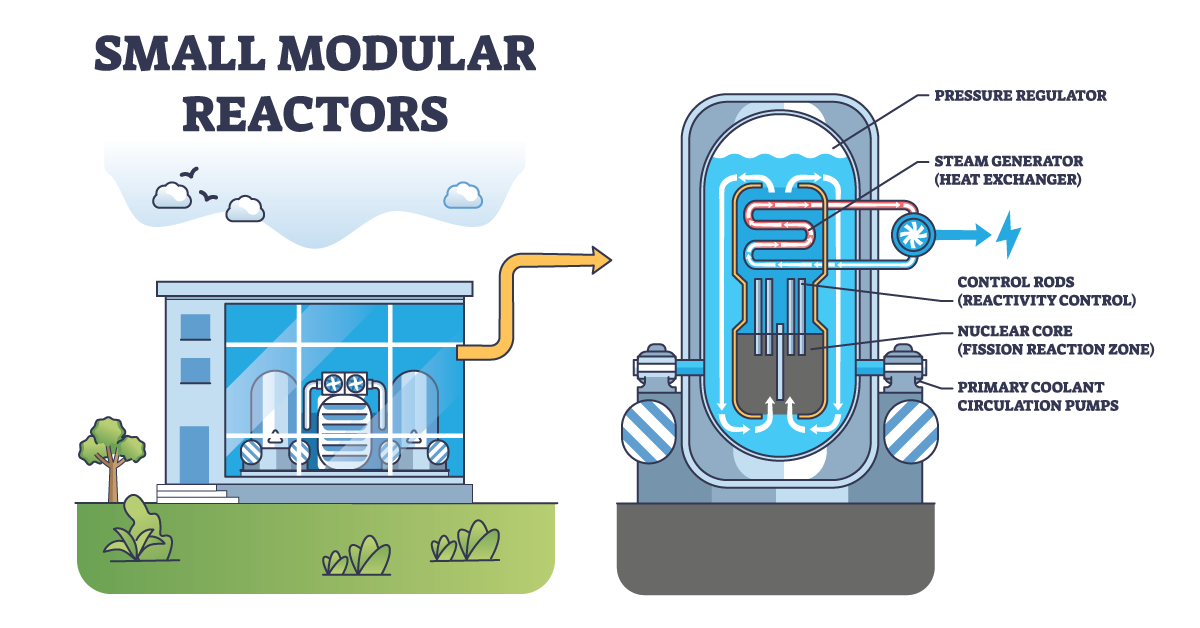
small modular reactorsIn the vast world of materials science, few materials have had such a complex and consequential role as graphite. Known for its hexagonal crystalline structure, remarkable thermal conductivity, and machinability, graphite is a cornerstone of numerous industrial applications. But its significance in nuclear technology is where its properties—and potential—become truly powerful and, at times, controversial.

This blog post explores graphite as a dual use material in the nuclear industry, its behavior under radiation, and its evolving role in cutting-edge fusion reactors. Understanding the capabilities and limitations of graphite is crucial for both energy innovation and global security.

What Is a Dual Use Material—and Why Graphite Qualifies

In the context of international regulations and technological oversight, dual use refers to materials and technologies that serve both civilian and military applications. Graphite fits within this category.

On one hand, graphite is essential to peaceful nuclear energy production—serving as a moderator, structural component, and radiation shield in fission and fusion reactors.

Because of this dual potential, graphite falls under export controls and strict international regulatory scrutiny. The International Atomic Energy Agency (IAEA) and national governments closely monitor its movement and use to prevent misuse while supporting its positive applications.

Behavior of Graphite Under Radiation

Structural Properties of Graphite
Graphite’s atomic structure—a hexagonal lattice of carbon atoms—gives it several qualities ideal for nuclear environments:

  • High thermal conductivity, which helps manage the intense heat generated in reactors.
  • Low neutron absorption cross-section, meaning it doesn’t interfere significantly with the nuclear reactions it’s meant to moderate or support.

Radiation Effects
Despite these strengths, prolonged exposure to radiation does alter graphite:

  • Dimensional changes: Neutron irradiation causes graphite to shrink or swell over time, affecting reactor stability.
  • Displacement damage: Radiation knocks atoms out of place, creating defects in the crystal lattice.

Radiation Annealing and Recovery
Interestingly, graphite can undergo a degree of radiation annealing—where some of the damage self-heals through temperature cycling. This phenomenon offers partial recovery of physical properties and extends the lifespan of graphite components. However, the process is not foolproof and must be closely monitored to maintain reactor safety.

Graphite as a Core Material in Fusion Reactors

Function in Fusion Reactor Design
As we inch closer to achieving sustainable nuclear fusion, graphite remains a key player. In fusion designs, it’s used as:

  • A neutron moderator
  • A plasma-facing material (especially in divertors, which manage heat and particle flow in fusion chambers)

Thermal and Radiation Shielding Role
Graphite can endure extreme temperatures and absorb high-energy radiation, making it an ideal candidate for shielding components. It helps protect reactor walls and systems from degradation caused by intense plasma interactions.

Advantages Over Other Materials

  • Low neutron absorption allows fusion reactions to proceed unimpeded.
  • Cost-effectiveness and ease of machining make graphite easier to implement than many high-performance alloys or ceramics.

Challenges in Fusion Applications
Still, challenges remain:

  • Tritium retention: Graphite can absorb tritium, a radioactive hydrogen isotope used in fusion, complicating fuel management.
  • Erosion and dust formation: High-energy plasma can erode graphite, generating dust that poses contamination and operational hazards.
  • Material testing: Long-term exposure testing is vital to ensure safety and performance over a fusion reactor’s operational life.

Outlook: The Future of Graphite in Nuclear Applications

The future of graphite in nuclear applications hinges on innovation and international collaboration. Ongoing research focuses on:

  • Isotropic, ultra-high-purity graphite grades that provide uniform properties and fewer impurities
  • Radiation-resistant carbon materials, such as carbon-carbon composites, that offer improved durability
  • Cross-border cooperation, especially in fusion energy initiatives, to develop safer and more efficient materials for next-generation reactors

Conclusion

Graphite exemplifies the complexity of dual use materials—harboring incredible promise for clean energy and innovation while carrying risks that must be carefully managed. Its role in both fission and fusion reactors underscores its importance in the global energy landscape.

As we advance toward the future—particularly with fusion energy on the horizon—responsible use, thoughtful regulation, and ongoing materials research are critical. Graphite’s story is far from over; in many ways, it’s just beginning.

CONTACT MWI TODAY FOR ALL YOUR GRAPHITE NUCLEAR APPLICATION NEEDS


by

EDM Operational Cost: Wire Consumption

Used EDM Wire Consumption

Wire EDM is a precision machining process that uses a continuously fed wire to cut intricate shapes in hard, conductive materials. While it offers high accuracy, wire consumption can be one of the most significant and often overlooked operational costs. Understanding and managing this expense is key to running efficient, cost-effective EDM operations.

Understanding how and why wire is consumed during machining can help machine shops reduce waste, cut costs, and improve production efficiency.

What Is Wire Consumption in EDM?

Wire consumption refers to the rate at which the EDM wire is eroded and used up during machining. Unlike traditional tools, EDM wire is single use. Once it passes through the spark gap and is exposed to repeated discharges, the wire loses its dimensional integrity and must be discarded.

Common Types of EDM Wire

  • Brass Wire: The industry standard. Affordable, good conductivity, and compatible with most machines.
  • Coated Wire: Includes zinc-coated and diffusion-annealed wires. These reduce wire breaks, improve cutting speed, and are ideal for tough jobs.
  • Premium High-Tensile Wire: Gamma-phase or high-zinc content wires offer improved cutting rates but come at a higher cost.
  • Copper Wire: Known for high conductivity, but less common than brass in general-purpose EDM applications.

Factors Affecting Wire Consumption

Several variables can influence how much wire a job consumes:

  • Cutting Speed & Power Settings: Faster cutting generally means more wire fed per minute—raising overall consumption.
  • Wire Diameter: Thicker wire can handle more current and cut faster but may lead to higher overall use depending on the job.
  • Material Type & Thickness: Dense, hard materials like carbide require more energy and time, increasing the wire used.
  • Flushing Efficiency: Inadequate flushing can cause wire breaks and material buildup, resulting in wasted wire.
  • Job Complexity: Tight tolerances and detailed contours usually require slower, multiple passes, increasing wire usage.

How to Calculate Wire Consumption Costs

To estimate your wire-related expenses:

  1. Know Your Wire Cost per Spool
    Wire is priced per foot or meter. Brass might be $0.01–$0.03/ft, while premium coated wire could run $0.05–$0.10/ft.
  2. Measure the Wire Feed Rate
    For example, if your machine runs at 10 in/min and a job takes 60 minutes, that’s 600 inches—or 50 feet—of wire per job.
  3. Estimate Usage per Job
    Multiply the feed rate by machining time to estimate total wire consumption. Then, multiply by cost per foot to determine the per-job wire expense.

Tips to Reduce EDM Wire Consumption

  • Store Your Wire Properly: Humidity and temperature fluctuations can degrade wire performance. Keep wire spools sealed and stored in a dry, controlled environment to prevent corrosion and brittleness, which can lead to increased wire consumption. Learn more about how EDM Wire Handling & Storage Tips
  • Optimize Power Settings: Tune voltage and current for the material and geometry to avoid overcutting.
  • Use Auto-Wire Threading: This feature reduces downtime and prevents waste from manual rethreading errors.
  • Select the Right Wire Type: Coated wires may cost more upfront but can reduce breakage and boost speed, saving in the long run.
  • Maintain Your Equipment: Regular service on wire tension rollers, flushing systems, power feed contacts, and guides prevents unnecessary wear and breaks. 

Hidden Costs of Excessive Wire Usage

Ignoring wire consumption doesn’t just affect your bottom line—it impacts productivity and sustainability as well:

  • Increased downtime from wire breaks or manual interventions
  • Environmental impact of disposing non-recyclable metals
  • Poor inventory control and improper wire selection

Conclusion

Though EDM wire is small in size, its cost impact can be substantial. By understanding wire types, machine settings, consumption, and storage habits, you can achieve significant operational savings without compromising precision or performance.

Take charge today: evaluate your current EDM setups, monitor wire usage closely, and consider whether switching your wire could reduce your overall costs.

Ready to restock your EDM wire? MWI carries the full line of Bedra EDM Wire designed to boost productivity and cut costs. Contact us today!

by

Questions to Ask Before Choosing a Sinker EDM Manufacturer

sinker edm machine

Choosing the right sinker EDM machine manufacturer is an important decision that can significantly impact your machining outcomes, long-term costs, and production efficiency. Whether you’re replacing an outdated model or expanding capacity, it’s critical to go beyond price when evaluating potential suppliers.

From machine specs and automation features to technical support and long-term reliability, asking the right questions up front can protect your investment and drive better machining outcomes. In this post, we’ll highlight the key factors to consider when selecting a sinker EDM machine brand—and how a trusted consumables partner like MWI can support your success every step of the way.

What to Ask Before You Buy a Sinker EDM

  1. Do they understand your application requirements? Discuss the materials you’ll be working with, required tolerances, surface finish needs, and production volume.
  2. What are the machine’s technical specifications? Evaluate work tank size, electrode compatibility, machining speed, power supply, and other features that impact performance.
  3. What automation and efficiency are offered? Inquire about automatic tool changers (ATCs), CNC controls, and energy efficiency.
  4. What is the machine’s build quality and durability? Look for machines with a rigid frame, high-quality components, and positive brand reputation.
  5. What after-sales support do they offer? Check for technical support, service standards, training, and resources.
  6. Can they provide evidence of their expertise? Request a machine demonstration, case studies, or references from satisfied customers, especially in industries similar to yours.
  7. How do they handle maintenance and service? Understand their procedures for scheduled maintenance and how quickly they respond to breakdowns.
  8. What is the total cost of ownership? Consider the initial purchase price, operating costs (energy, electrode materials), maintenance costs, and potential productivity gains. 

Conclusion

At MWI, we don’t sell EDM machines—but we work closely with top manufacturers across the industry and know what sets a great supplier apart. Once you’ve found the right machine, keeping it running at peak performance becomes the next priority—and that’s where we come in.

As a dedicated sinker EDM consumables provider, MWI offers high-performance graphite electrodes, dielectric fluids, flushing systems, and replacement parts designed to match the demands of leading machines from brands like Mitsubishi, Sodick, Makino, and Agie/Charmilles. In addition, we offer turn-key tooling options that can be ready to go when your machine arrives.

Have a question or need help sourcing electrode materials or consumables? We’re ready to support your next project!

CONTACT OUR TEAM TODAY
by

What’s the Role of Graphite in Modern Medical Devices

medical devices

Modern medical device manufacturing increasingly relies on precision machining, where graphite electrodes for EDM are critical—especially for molds used in high-volume production of small, intricate plastic components.

MWI supports the medical industry by supplying high-performance graphite electrodes for a wide range of applications. From diagnostic equipment to surgical tools and implantable technologies, graphite’s unique properties—such as precision machinability, biocompatibility, and thermal stability—make it an ideal material for modern medical innovations. In this article, we’ll explore the role graphite plays in advancing healthcare solutions.

What Medical Devices Use Graphite?

Electrosurgical Equipment

  • Carbon-based bipolar forceps and electrodes for electrocautery.
  • Why graphite? High thermal conductivity and chemical stability allow precision cuts and reduced tissue damage.

Implantable Biosensors

  • Pyrolytic graphite or graphene-coated sensors used in:
    • Continuous glucose monitors
    • pH and oxygen sensing patches
  • Why graphite? Biocompatible forms (e.g., pyrolytic graphite) allow sensitive, stable electrochemical readings.

Proton & Radiation Therapy Devices

  • Graphite beam-shaping collimators, filters, and targets
  • Why graphite? Low atomic number reduces secondary radiation, excellent heat tolerance under ion beams.

Medical Imaging Components

  • PET/CT scanner collimators and beam-directing parts
  • Why graphite? Lightweight, radiation-resistant, and machinable into high-precision geometries.

Orthopedic Surgical Tools

  • Graphite-infused surgical drill guides
  • Sintered graphite for trial implants (non-permanent, intraoperative fitting)
  • Why graphite? Strong, yet easy to machine for custom geometries; sterilizable.

Diagnostic Electrodes & ECG Leads

  • Carbon/graphite paste, or films used in skin-contact sensors
  • Enables low-resistance, reusable diagnostic tools.

Microfluidic Lab-on-a-Chip Devices

  • Graphene or graphite channels for electrochemical detection in point-of-care testing kits.

Surgical Implants (Temporary/Non-load Bearing)

  • Limited use in bioresorbable graphite composites (early-stage R&D)
  • Potential for graphite-polymer composites in future implant technologies.

High-Precision Molds for Medical Plastics

  • Not the final product but graphite EDM electrodes are used to mold:
      • Syringe tips
      • Microvalves
      • IV connectors
      • Inhaler components

Summary

Graphite continues to redefine what’s possible in the medical industry. From imaging equipment and implantable sensors to proton therapy systems and surgical tools, its precision, thermal resistance, and biocompatibility make it a trusted material across a wide range of healthcare applications.

Looking for high-performance graphite solutions for your next medical innovation?

Explore how MWI’s graphite expertise can support your project from concept to completion.

CONNECT WITH OUR TEAM TODAY