by

What are the Structure and Properties of Graphite?

Structure and Properties of Graphite

Carbon-graphite offers a unique combination of physical, chemical and mechanical characteristics found in no other material. One particular characteristic is its structure.

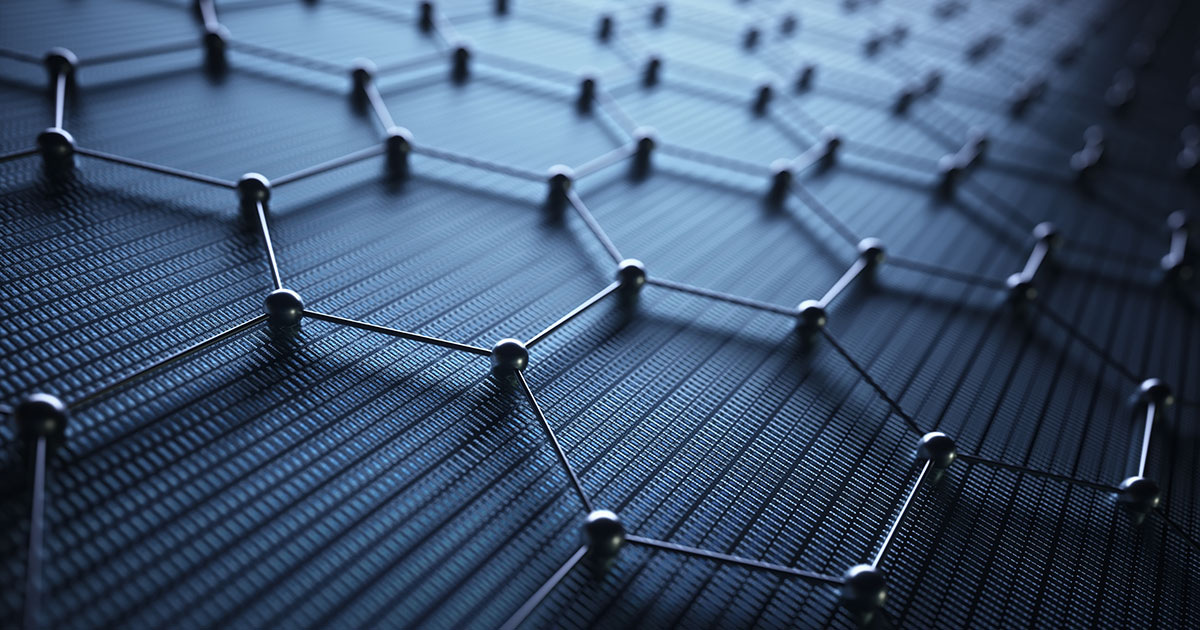
Graphite has a layered structure. In each layer, each carbon atom is bound to three others. This results in a two-dimensional network of hexagons. Within each layer, there are strong bonds, but between the different layers, the bonds are fragile. Thus, the layers can easily be shifted against each other and separated. This structure is why graphite is very soft and even used as a lubricant. But graphite has other unique characteristics as well:

Electrical Conductivity

The fact that graphite is electrically conductive results from its atomic structure. Each carbon atom in a graphite crystal has four valence electrons, also called outer electrons, which can form bonds with neighboring atoms. However, only three of the four valence electrons enter into a bond, while the fourth electron remains freely mobile and thus allows electricity to be conducted.

Thermal Conductivity

Graphite has excellent thermal conductivity combined with high-temperature resistance. Graphite does not have a melting point; it changes from the solid state directly into the gaseous state. This process is called sublimation. In an inert gas atmosphere, graphite becomes plastically deformable starting at 2500 °C. At temperatures above 3750 °C, graphite sublimates even without oxygen.

Chemical Resistance

Graphite is one of the most chemically resistant materials. It is resistant to almost all media of organic chemistry. These typically include the intermediate and/or end products in the petrochemicals, coal refining, plastics industry, the production of paints, coatings, refrigerants, and antifreeze, but also in the cosmetics and food industries. In addition, it is resistant to most inorganic media, such as non-oxidizing acids, alkalis, aqueous salt solutions, and most technical gasses.

Important Chemical Reactions

Reaction with Air
Carbon in the form of graphite, burns in the air to form Carbon Monoxide and Carbon Dioxide depending upon the availability of air or oxygen. Diamond is a type of carbon that, when heated to 600°C-800 °C, also burns in the air.

  • C(s)+O2→CO2(g)
    • When the availability of air or oxygen is limited, incomplete combustion occurs, resulting in carbon monoxide, CO.
  • 2C(s)+O2(g)→2CO(g)
    • This reaction is important in industrial processes, where air is passed through hot coke. The resulting producer gas is a mixture of carbon monoxide, carbon dioxide, nitrogen, along with small amounts of hydrogen (H2), methane (CH4), and oxygen (O2).
Reaction with Water

Carbon in the form of graphite doesn’t react with water in normal conditions. Under certain circumstances, the given reaction becomes possible and forms water gas which is a mixture of carbon monoxide and hydrogen gas.

  • C+H2O→CO+H2
Reaction with Halogen

At elevated temperatures, graphite reacts with fluorine (F2) to form carbon tetrafluoride (CF4), along with smaller amounts of C2F6 and C5F12.

  • C (s) + excess F2 (g) → CF4 (g) + C2F6 + C5F12

Other halogens do not seem to react with graphite.

Reaction with Acids

Mellitic acid, C6(CO2H)6, is formed when graphite combines with the oxidizing acid hot concentrated nitric acid.
by

What is Graphite?

What is graphite?

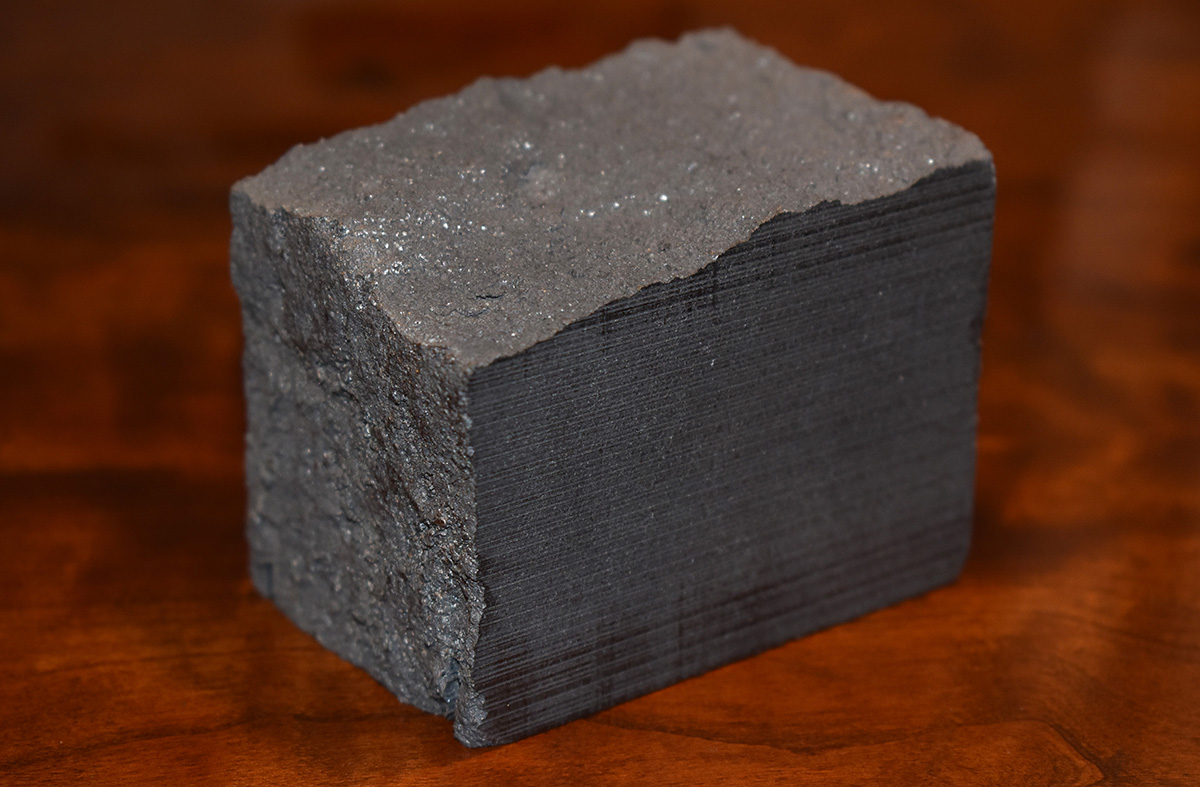
Graphite is a naturally occurring modification of the element carbon (C). Its atoms arrange themselves in the hexagonal pattern typical for carbon and thus form a hexagonal layered lattice. As a result, graphite gets its typical gray color from its opaque gray to black crystals.

Natural graphite is mainly used for refractories, batteries, steelmaking, brake linings, foundry facings, lubricants in pinewood derby, and headphones. Graphene, a one-atom-thick layer of graphite, is used to make the 40mm acoustic drivers that deliver sound to the ear in your headphones.

Graphite is also in pencils. In pencils, graphite particles are packed together inside a core made from wax or plastic. It’s most suitable for making pencils because graphite is soft and slippery. This makes it easy to rub off, leaving a mark on your paper. A soft pencil is about 90% graphite, while a harder one is around 20% graphite. To harden graphite, you need to mix graphite and clay with water and leave it out for about three days to dry and harden completely. Graphite of various hardness or softness results in different qualities and tones when used as an artistic medium.

EXPLORE MWI’s GRAPHITE PRODUCT RANGE

Natural Graphite

Graphite occurs naturally on earth but can also be produced synthetically. Natural graphite is mainly mined underground and above ground in Brazil, China, India, Mexico, and Ukraine. The production process of synthetic graphite, on the other hand, is highly complex – but simultaneously offers the possibility of modifying the properties of graphite as desired.

Flexible graphite (expanded or exfoliated graphite) is produced from natural graphite flakes. The flakes are mixed with a highly oxidizing acid in the manufacturing process to produce graphite intercalation compounds. A sudden application of high temperature expands these. The resulting product, called expanded graphite, is mechanically compressed to shaped products, mainly graphite foil. Although still showing the unique properties of natural graphite, e.g., its excellent conductivity, expanded graphite foil is also flexible, soft, and easy to process in contrast to the raw material.

There are three types of natural graphite:

  • High crystalline
  • Amorphous
  • Flake

Synthetic Graphite

The manufacturing processes for synthetic graphite are comparable to those for ceramic materials. First, the solid raw materials coke and graphite are ground and mixed in mixing units with carbonaceous binders such as pitches to form a homogeneous mass. This is followed by shaping. Various processes are available for this purpose: isostatic pressing, extrusion, vibration molding, or die molding. The pressed “green” bodies are then heated under the exclusion of oxygen at about 1000 °C. During this process, binder bridges are formed between the solid particles. Graphitization – the second thermal processing step – converts the amorphous carbon into three-dimensionally ordered graphite at about 3000 °C. The graphitized molded parts are then mechanically processed into complex components. Optionally, these can be further refined by additional cleaning processes and coating steps, such as silicon carbide (SiC) coating. The grain size of the graphite powder and the pressing method plays an important role.

The synthetic production of graphite has been technically possible since the end of the 19th century. In December 1895, a patent for the graphitization of carbon was registered in the USA. The electrographite obtained in this manufacturing process was then used as a current-transmitting element in the form of electrodes and graphite, thus becoming increasingly important for a wide range of industries.

Synthetic graphite is formed by two raw materials: a carbon carrier that is as pure as possible, usually coal from crude oil, and pitch as a binder. The two raw materials are mixed to form a homogeneous mass and then processed and refined in complex high-temperature processes. The processes vary depending on the desired properties and type of synthetic graphite. This way, a process can be reproduced in the shortest possible time, for which nature takes several million years.

Advantages of Graphite

  • Heat resistant
  • Super lightweight
  • Increased strength at higher temperatures
  • Low thermal expansion (3 times lower than copper), which guarantees the stability of electrode geometry during electro-discharge machining
  • Density is 5 times lower than that of copper, which results in lighter electrodes
  • Provides a higher metal removal rate than copper, with less wear
  • Good thermal conductivity
  • Good electrical conductivity
  • Self-lubricating
  • Easy to machine
  • Very resistant to thermal shock
  • Available in large blocks

Precision Solutions

Whether you’re new to graphite or looking to refine your understanding of its properties and applications, it’s clear that this versatile material plays a critical role in precision manufacturing. At MWI, Inc., we specialize in graphite machining solutions tailored to meet the demands of industries that rely on accuracy, consistency, and performance. If you’re exploring how graphite can improve your operations, we’re here to help.

Ready to get started? Request a quote or contact our team to learn more about our graphite products and machining capabilities.

DOWNLOAD OUR EDM GRAPHITE GUIDE


Engineers-Manufacturing in Rochester

by

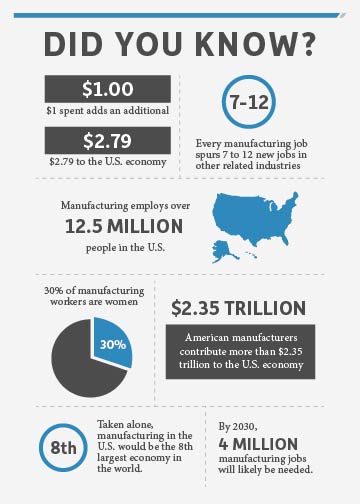
Manufacturing, a High Demanding Career with Great Potential

October in the United States isn’t just about cooler weather, falling leaves and pumpkin-spiced lattes; it’s also Manufacturing Month. Each year, Manufacturing Month is recognized throughout October to highlight modern manufacturing efforts and to raise awareness about manufacturing careers.


A Career in ManufacturingManufacturing Career Statistics

You’re not alone if you haven’t thought of a manufacturing career as a top choice for your or your children’s future. Although manufacturing is vital to the world economy, careers in manufacturing are often misunderstood and not sought after. 

Today, manufacturing opportunities are considered a career rather than a job because the work is rewarding. In this career choice, you’re challenged as you invent, produce and distribute the everyday items and technologies of the future. Not only is it rewarding, but it’s also an industry that provides stability and security.

 So why is there such a high demand for manufacturing workers? There are many reasons for this. One is the misconception that manufacturing positions are loud, dirty, messy, low-paid, and low-skilled. With the advent of more advanced technology, robotics and streamlined manufacturing processes, low-skilled positions in manufacturing have all but disappeared. Today, manufacturing is a high-precision field with high-tech facilities to match. Many manufacturing facilities are clean, well-organized and filled with high-tech equipment. As a result, high- and medium-skilled workers are in demand to run these modern manufacturing facilities. Manufacturers must fill these positions to stay competitive in the global market. But no one seems to know about these high-paying opportunities, another reason for the high demand. That’s where secondary schools come into play. 

It’s pertinent for companies to bring in students from local schools, giving them tours of the facility and explaining the roles of different positions within the organization. In addition, offering summer jobs and internships to these students is another great way to recruit future employees. According to an Industry Week study, 64% of high school students choose their careers based on both their interests and experiences. Therefore, the earlier a child is exposed to manufacturing, the better chance they will migrate towards it.


Career Opportunities

Manufacturing is a career of lifelong learning. It has a lot to offer: exciting and innovative work, good salaries, and room for development. So, if you’re looking for a career in manufacturing, MWI, Inc. might be the right place for you. View Our Career Opportunities!


by Marketing Marketing No Comments

MWI Message to Customers about COVID-19

Dear Valued Clients, Business Partners, and Friends,

As the coronaCOVID-19virus (COVID-19) continues to affect our communities, we want to provide you with an update on how MWI is addressing this new reality. The well-being of our MWI family, including our team members, families, clients, vendors, and communities, remains our top priority. In line with this, MWI is adhering to the recommendations of the U.S. Centers for Disease Control and Prevention and local authorities to help prevent the further spread of the virus and ensure the health and safety of our personnel.

Even during these unprecedented times, MWI is committed to providing essential services and products to our customers. Our investments in technology infrastructure over the past few years have positioned us well to continue operations in a decentralized manner, whether from home or other locations. We have also taken necessary steps to secure our raw material inventories for the foreseeable future. Furthermore, our five domestic manufacturing locations have built-in redundancy with engineers, machining capabilities, and purification resources. In the event that all domestic locations need to close, we have global contingency plans in place through our industry partners.

In addition to implementing remote working policies and contingency plans, we have implemented the following directives:

• All non-essential plant visitors have been eliminated. Inbound and outbound deliveries are considered essential.

• Social distancing measures have been implemented within our facilities.

• Enhanced cleaning procedures have been established.

• All business travel has been suspended.

• We have reinforced personal responsibilities regarding hygiene and health practices.

Please note that these directives do not override any federal, state, or local mandates. If you have any questions, please reach out to your MWI representative.

We are prepared to make real-time decisions to mitigate the impact of COVID-19 as the situation evolves rapidly. Together, we will navigate through this pandemic.

Wishing you and your loved ones continued safety,

MWI Executive Management